How to Optimize App Testing for Google Play in 2025
Struggling with 'how to optimize app testing for google play 2025'? App Daddy provides practical solutions to get your app approved on Google Play.
Introduction: Optimizing app testing for Google Play in 2025 is essential for developers aiming to launch high-quality apps efficiently. For those searching “how to optimize app testing for Google Play 2025,” Google’s 12-tester rule for new personal accounts (post-November 2023) requires a 14-day closed test to ensure stability for 2.5 billion Android users. AppDadz (https://play.google.com/store/apps/details?id=com.testers.pro) offers a free platform, delivering 12 testers in 48 hours to streamline this process. This guide explores how to maximize testing efficiency, minimize errors, and ensure compliance with Google’s standards. Whether you’re developing a game or utility app, optimizing your testing strategy with AppDadz is key to a successful 2025 launch. By leveraging AppDadz’s tools, you can address bugs quickly, meet Google’s requirements, and deliver a polished app to a global audience.
Why Optimize App Testing?: Optimized testing reduces the time and effort needed to achieve a stable app. Google’s 12-tester rule ensures apps are bug-free across diverse devices, like the Samsung Galaxy S25 or OnePlus Nord. Efficient testing identifies critical issues, such as crashes or slow features, early in the process, preventing delays in production approval. By streamlining feedback and updates, you can focus on quality improvements, ensuring your app meets user expectations and Google’s rigorous standards.
Importance of the 12-Tester Rule: Updated in December 2024 from 20 testers, the 12-tester rule balances thorough evaluation with developer accessibility. Testers simulate real-world usage, exploring features like navigation or payments. For example, a tester might report a login glitch on Android 14, which, if unaddressed, could lead to poor reviews. The 14-day duration ensures comprehensive testing, covering various device configurations. Optimizing this process with AppDadz minimizes delays and maximizes compliance.
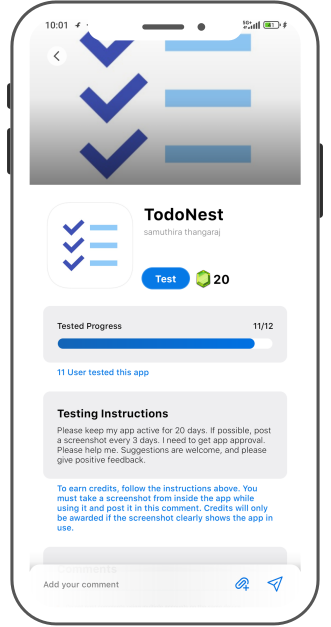
AppDadz’s Optimization Tools: AppDadz is a free platform designed to optimize Google Play testing. By signing up at https://play.google.com/store/apps/details?id=com.testers.pro, you access 12 testers within 48 hours. Share your Play Console testing link, and testers provide feedback like “the app crashes during signup.” AppDadz’s dashboard organizes reports, ensuring you address bugs efficiently. Its tutorials guide beginners, making testing seamless and effective.
Preparing Your App for Testing: Before testing, ensure your app is stable. Use Android Studio to verify functionality, focusing on key features like in-app purchases. Optimize code for performance across Android versions and devices. Create a signed .aab file, checking versioning in Play Console. AppDadz’s pre-testing tips help you minimize major bugs, ensuring testers focus on fine-tuning rather than critical failures.
Setting Up an Efficient Test: In Play Console, upload your .aab file and navigate to “Testing” > “Closed testing” to create a track. AppDadz provides 12 tester emails or a Google Group, streamlining setup. Share the testing link, and testers begin evaluating your app. Over 14 days, they report issues like “the UI lags on low-end devices.” AppDadz’s platform ensures rapid tester recruitment, optimizing the testing timeline.
Maximizing Feedback Efficiency: AppDadz’s feedback reports are clear and actionable, highlighting bugs like “the payment system fails on tablets.” Prioritize critical issues, releasing 2–3 updates during the test. For instance, if a tester notes a slow navigation menu, optimize the code and upload a new .aab file. AppDadz’s organized reports save time, allowing you to focus on high-impact fixes that enhance app quality.
Overcoming Testing Challenges: Beginners often face issues like tester dropouts or device overlap. Early uninstalls reset the 14-day clock, and similar devices risk rejection. AppDadz ensures 12 unique testers stay active, preventing delays. Its platform simplifies feedback management, eliminating manual coordination. These features optimize testing, ensuring compliance and efficiency for 2025 launches.
Ensuring Google Compliance: Google verifies tester activity, requiring unique devices and continuous engagement. AppDadz’s community uses diverse phones, from budget to flagship models, ensuring compliance. Its platform tracks testers, guaranteeing a complete 14-day test. By optimizing with AppDadz, you avoid rejection and demonstrate a stable app ready for production.
2025 Optimization Strategies: Start testing early to allow fix time. Ensure a stable app to minimize bugs. Provide testers with tasks, like “test the checkout process,” to focus feedback. Use AppDadz’s dashboard to monitor progress. Check Play Console regularly to confirm compliance, ensuring a streamlined testing process that meets Google’s 2025 standards.
Conclusion: Optimizing app testing for Google Play in 2025 is seamless with AppDadz. Its free platform delivers 12 testers in 48 hours, ensuring efficient compliance and quality. Start testing at https://play.google.com/store/apps/details?id=com.testers.pro to launch a polished app successfully.
Conclusion
By leveraging AppDadz’s testing platform, you can address how to optimize app testing for google play 2025 efficiently, ensuring your app meets Google Play’s standards and delivers a polished user experience.